Latest News

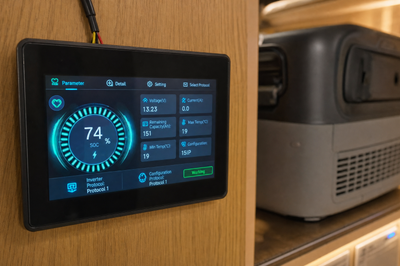
LiFePO4 Battery Safety: What You Need to Know

Say "lithium battery" to someone who's only ever seen a news story about a phone or an e-bike catching fire, and you'll get a wary look. It's not an unreasonable reaction. But it's also a bit unfair, because it lumps LiFePO4 battery safety in with chemistries that behave nothing like it once things go wrong. LiFePO4, or lithium iron phosphate, isn't the lithium-cobalt chemistry sitting in your phone or laptop. That's not a sales line. It's basic chemistry, and it's the reason the two behave so differently when something fails.

Lithium vs AGM Battery: Which Suits Your Caravan?

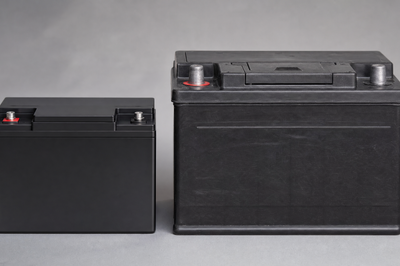
Spend ten minutes in a caravan park camp kitchen and someone will eventually bring up the lithium vs AGM battery debate — usually with strong opinions and a few numbers that don't quite check out. It's a genuinely useful question, though, because the two chemistries behave differently enough that picking the wrong one means either overspending on capacity you'll never use, or running out of power two nights into a trip.

DC-DC Charger for Caravan: How It Actually Works

Ten years ago, plenty of caravans towed behind a vehicle got by on a simple wired-through connection from the tow vehicle's alternator, and it mostly worked. That's changed, not because caravan electrics got more complicated for no reason, but because tow vehicles did. A DC-DC charger for caravan setups has gone from a nice-to-have upgrade to close to a necessity, and the reason comes down to what's happening under the bonnet of the vehicle doing the towing.

Dual Battery System for 4WD: What You Actually Need

Ask five people what a dual battery system for 4WD actually needs and there's a decent chance you'll get five different shopping lists. Some of that is genuine flexibility — there's more than one way to wire a rig — but a lot of it comes down to people copying what a mate did five years ago, on a vehicle with a completely different alternator. Before spending money, it's worth understanding what each component in the system is actually doing, because the right setup for a modern dual-cab with a smart alternator looks nothing like the right setup for an older vehicle with a fixed-voltage charging system.

How Long Do Lithium Batteries Last in a Caravan?

It's one of the first questions anyone asks before spending real money on a lithium setup, and it's not a bad question — how long do lithium batteries last, once they're doing actual work in a caravan, camper or 4WD dual battery system? The honest answer is "longer than the lead-acid or AGM battery it replaced, provided a few basic things go right." The less honest answer is a single number on a spec sheet that doesn't account for how the battery is actually used, charged and stored.

How Long Do Lithium Batteries Last? A Real Guide

How long do lithium batteries last is one of those questions where the honest answer is "longer than you'd think, and it depends on how you treat it." Unlike a lead-acid battery, which tends to give you a fairly narrow, predictable window before it noticeably fades, a quality LiFePO4 (lithium iron phosphate) battery has a much wider realistic range — and where you land in that range comes down to a handful of habits that are easy to get right once you understand them.

What Size Lithium Battery Do I Need? A Simple Guide

"What size lithium battery do I need?" is one of the most common questions asked before an upgrade, and it's also one of the easiest to get wrong in both directions. Undersize it and you're rationing power by day three of a trip. Oversize it, and you've paid for capacity and carried extra weight you never actually use. The good news is that working it out properly isn't complicated; it just means starting from your actual power usage rather than guessing at a round number.

How to Size a Lithium Battery Bank for Touring

Ask ten people how to size a lithium battery bank for touring and you'll get ten different answers, most of them a guess dressed up as advice. "Just get a 200Ah" is the kind of thing that gets repeated around a campfire, but it ignores the one thing that actually determines the right size: how much power you're using in a day. Get the sizing wrong in one direction and you're carrying weight and cost you didn't need. Get it wrong the other way and you're rationing torch batteries by day three because the fridge ate through everything overnight. The good news is that sizing a battery bank properly isn't complicated — it just needs to start in the right place.

From AGM to Lithium: How Invicta Black Powers Your First Weekend Away

You've just picked up your first caravan. It's secondhand, it's got a bit of character, and tucked away in the front boot is an old AGM battery that's seen better days. You're not chasing a full off-grid, months-on-the-road setup — you just want reliable power for a few weekends a year, without needing a finance plan to get there. This is exactly the situation where Invicta Black stands out.

Charging your lithium battery

Charging Your Lithium Battery Correctly

Charging your lithium battery correctly is crucial to ensure optimal performance, safety, and longevity. This article will explain why the correct charger is essential, how it differs from charging AGM batteries, the importance of matching battery specifications with the charger, the types of chargers available, and how to check if your charger is working correctly.